 INDEPENDENT WATER INTELLIGENCE
Set the purpose
Clarify whether the question concerns incoming water, production, storage, distribution, treatment performance or an abnormal reading.
Choose meaningful sampling points, understand the findings and make water-quality results useful for the entire onboard system.
A water sample only describes the conditions at a particular time and sampling point. Its value increases when it is linked to system layout, bunkering activity, treatment status and previous results. Vorenico supports sampling plans, sample-point selection, laboratory coordination and the careful interpretation of results. Where accredited testing is required, samples are analysed by an appropriately qualified external laboratory.
Who this is for: Yacht engineers and captains investigating quality changes, validating treatment, preparing a planned review or assessing water after maintenance.
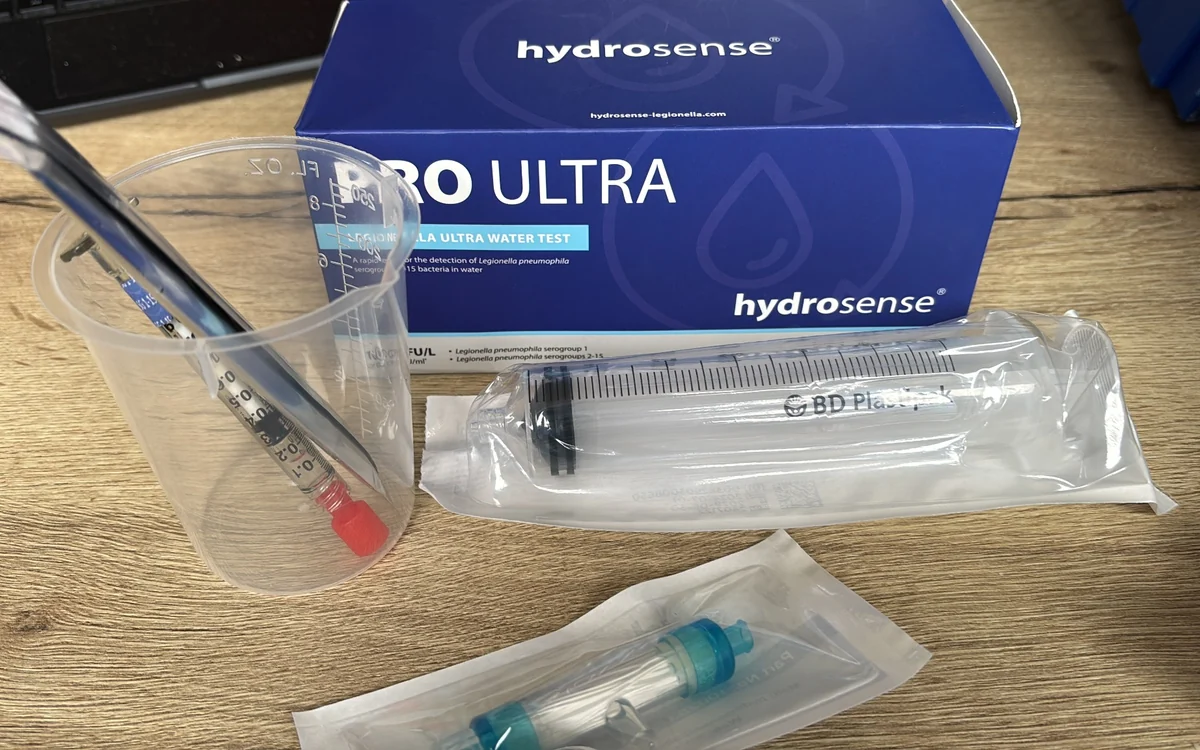
Clarify whether the question concerns incoming water, production, storage, distribution, treatment performance or an abnormal reading.
Compare appropriate system points such as the bunkering inlet, tank outlet, upstream and downstream of treatment, and remote outlets.
Consider microbiological parameters and, where relevant, pH, temperature, conductivity, alkalinity, calcium hardness, total hardness, disinfectant residual and other targeted tests.
Review results alongside operating records and trends. Escalate suspected contamination; confirm whether follow-up sampling or engineering review is needed.
Depending on scope: a documented sampling plan, coordination with a qualified laboratory, a comparison of results, explanations of uncertainty, and a prioritised technical follow-up. Laboratory testing and site attendance are separately scoped when relevant.
Bunker water and a freshwater tank sample have similar pH, but the galley and guest-deck points differ in disinfectant residual and temperature. Comparing locations helps identify whether the issue may arise during storage or within distribution instead of assuming that the source water is the sole cause.
Tell us the type of yacht, the water system arrangement and the concern. We will discuss an appropriate technical scope before any work begins.
Request a consultation →No. Field readings support operational monitoring, but do not replace appropriate laboratory analysis for microbiological verification.
No. A result is time- and location-specific and should be considered within ongoing risk assessment and monitoring.
Yes. A technical review can explain what was tested, what the results mean, which uncertainties remain and what further investigation may be appropriate.
Service availability, physical attendance, analyses and deliverables depend on vessel location and agreed scope. No formal flag-state or statutory certification is implied.
Need vessel-specific advice? Send the details and receive a scope proposal before any paid consultancy begins.